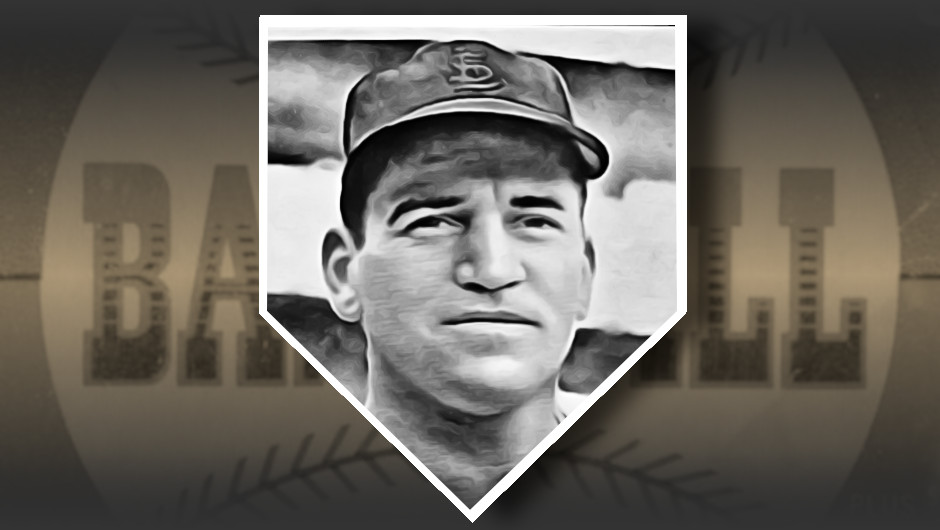
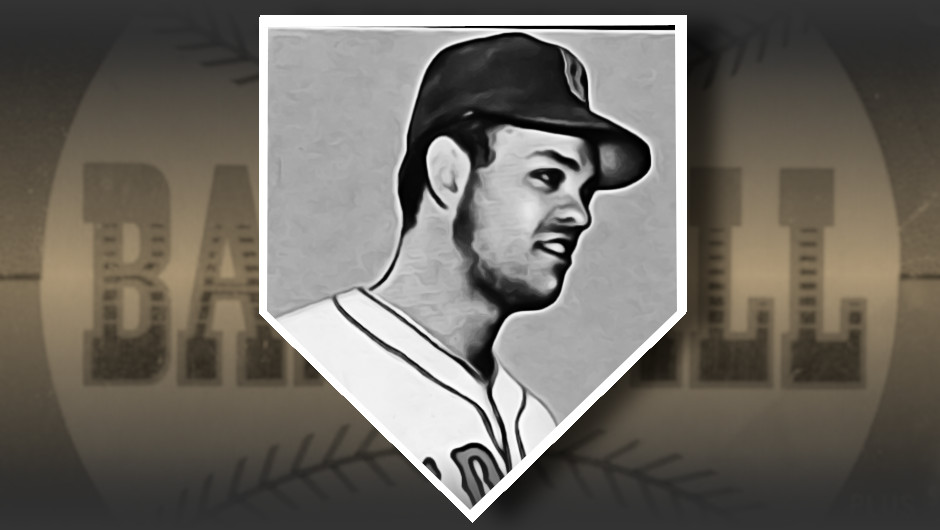
The front of my ’52 Leo Kiely card looks pretty good, aside from him apparently having the worst handwriting of anyone in the set. The centering is a bit wonky and the corners are solidly VG-EX, but that’s fine for my collection. I’m not going high grade with my 1952 Topps cards – this is a set I want to one day actually finish.
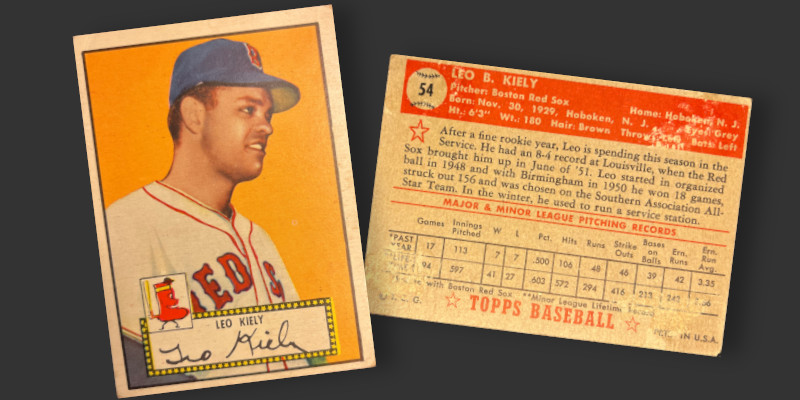
Flipping the card over to the back reveals why such a good looking card was available for the same price as a pack of Reese’s Cups. It had previously been glued to a scrapbook, one I believe to have been Red Sox themed as the card came from the same collection as my similarly damaged card of temporary outfielder Ken Wood.
The placement of glue residue obscures some of his stats and demographic information, but leaves the biographical text completely legible. Reading this, viewers can find that Kiely would not be playing for the Sox in ’52 due to the demands of military service.
He was stationed in Japan, arriving at the end of an official 1946-1952 postwar occupation of the country that saw more than a million US servicemen rotate through local tours of duty. Kiely’s arrival came when the total US presence was closer to 80,000, down from 200,000 at the start of the period. He would stay for two years, taking part in the transition from occupying force to one in which bases would continue to operate through the present day.
The transition to a somewhat less involved interaction with Japanese daily affairs provided some opportunities for Kiely. The professional NPB league that would give the world Sadaharu Oh and Shohei Ohtani had been operating since the 1920s. Kiely often had leave from military duties on weekends and used the opportunity to play with the Mainichi Orions, a recent expansion team that has since been renamed the Chiba Lotte Marines, the team that Roki Sasaki played with before joining the Dodgers.
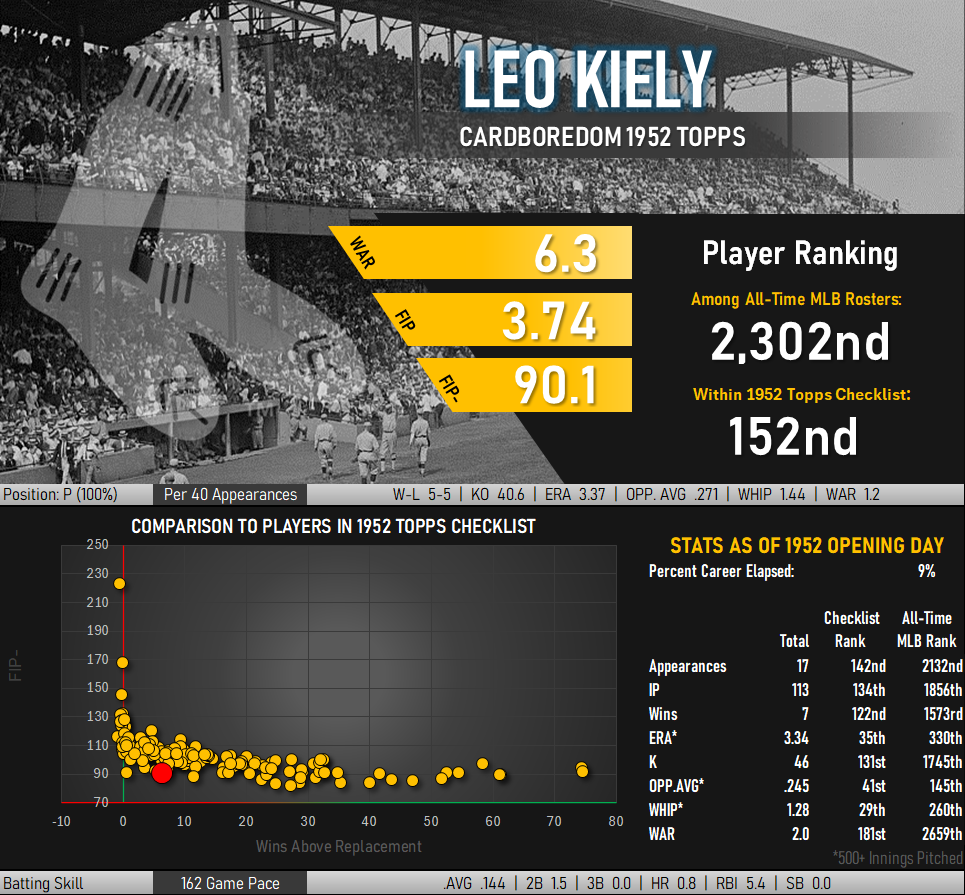
Kiely did very well in this part time role, going 6-0 with a shutout, 1.80 ERA, and 32 strikeouts in 45 innings of work. He returned stateside for the 1954 season, playing six seasons for the Red Sox and A’s before retiring at the end of 1960.
Kiely was a success in Japanese baseball, so much so that other teams were considering picking up MLB players while they were present for military service. When Kiely returned home after his tour ended the overseas league banned foreign part time players.
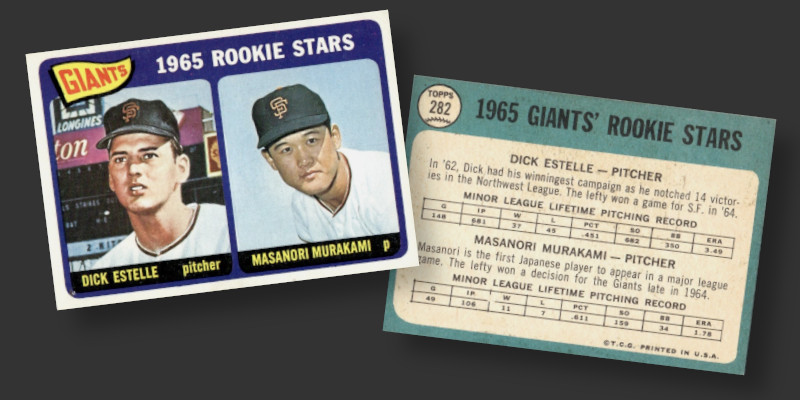
Japan repaid the favor of a borrowed player in 1964 when the Nankai Hawks sent Masanori Murakami to the San Francisco Giants for two seasons. Murakami equaled Kiely’s 1.80 ERA in his first MLB season and ended up striking out more than one batter per inning during his US career.