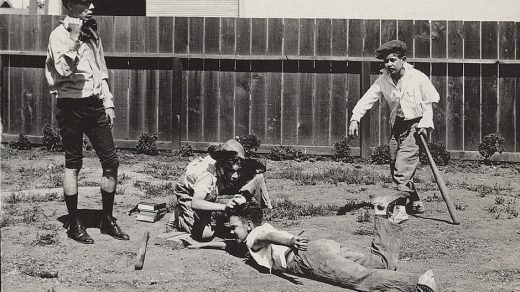
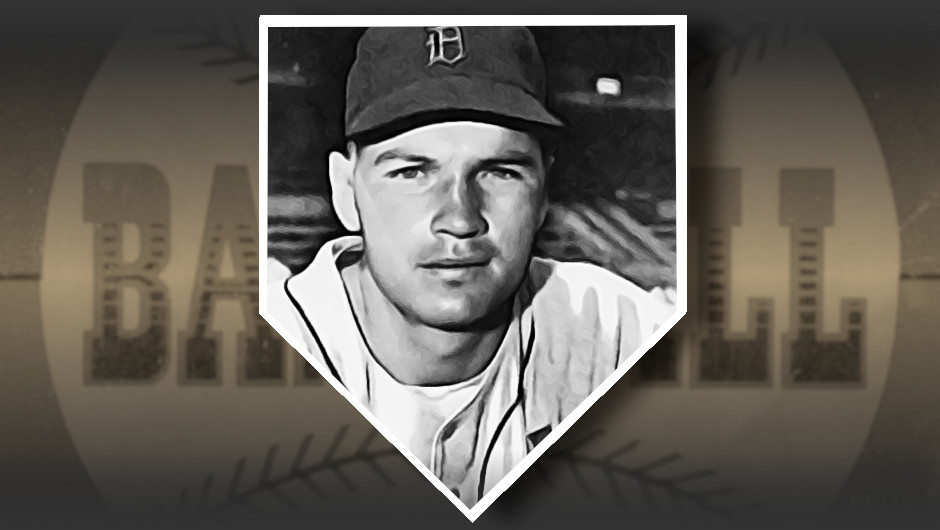
While the headlines argued over Truman and Dewey in 1948, a much smaller electorate was quietly casting ballots in hotel rooms across Alabama. The candidate was seventeen years old and the delegates were general managers. The platform uniting this contingent of northerners was a single number: .805.
That was the batting average belonging to a high school catcher from Bessemer, Alabama, a town that would eventually produce another sports prodigy in the form of Bo Jakson. Frank House, the teenager so many major league clubs wanted to anchor their backstops, would do his best to parlay this sudden interest into what might be mistaken for a small Pontiac dealership.
11 of the 16 extant MLB teams showed up to court Frank House in 1948, more or less leaving House running unopposed for the position of Major League catcher. The only question was how much campaign finance would need to be arranged. This was not without precedent for teams like the Detroit Tigers, who had made buying the votes of unsigned players something of a specialty. They had given college freshman Dick Wakefield $51,000 and a Packard (for his mother) back in 1941, a sum so high that it briefly matched Hank Greenberg, then highest paid player in baseball. They gave Johnny Groth $30,000 and improved the vehicular offering to a Cadillac in 1946.
Tigers’ general manager Billy Evans sat House and his father down and opened the bidding at $50,000, roughly what Wakefield got seven years earlier when the concept of a “bonus baby” was still in its infancy. The Houses laughed, politely I assume. This was Alabama in 1948 afterall, and everyone involved would’ve said “yes’sa” and “no’sa” a lot, but they still laughed. At least three other teams, they reported, had already broached the $55,000 level. With the precision of a guy who has a list of what his coworkers are making, they told the GM they wouldn’t sign for anything less than $65,000, which just so happened to match what the Boston Braves had paid to sign a Rochester high school pitcher named Johnny Antonelli one month prior.
Evans said yes immediately. Too fast, in fact, as the House contingent realized just as quickly that they had underbid themselves. They pivoted to negotiating the races downballot from the main event. The discussion turned to Frank’s Class D minor league salary, which the now pair started the bidding at $4,000 a year. Here their efforts hit an actual piece of legislation. The low minors had a salary cap and Evans couldn’t touch it. What he could do was offer the max allowed ($1,500) and roll the difference back into the bonus, bumping it to $67,500 to make the Houses whole. The deal was struck and a pre-printed contract signed after the negotiable parts were quickly written in by pen.
Then, in the tradition of those who get buyer’s remorse the moment the ink dries, young Frank asked if there might also be a new Buick convertible in this for him. There was not a Buick to be had at the moment (post-war supply chains and all that), so House pivoted to a pair of cheaper Pontiac convertibles instead. One for him, and one purchased separately out of his own bonus money for his father, because apparently even at seventeen he understood the optics of showing up to a family dinner without a matching gift.
Add this up and you get a $67,500 bonus, a maxed-out $1,500 salary, and a car for an all-in package north of $71,000. With a new bonus record having just been printed, the text of the sports pages rounded up and the number that stuck in the public imagination was a cleaner, shiny $75,000 punctuated by two brand-new convertibles rolling off the lot, presumably trailing a light mist dollar bills along the road behind them. It’s a good headline. Frank House became the highest-paid rookie in the history of professional baseball.
Congress, or something like it, eventually stepped in. Major League Baseball’s Bonus Rule took full effect in 1953, decreeing that any player signed for more than $4,000 had to stay on the 25-man roster for two full seasons rather than get develop in the minors. It was meant preclude the bidding wars that teams like Detroit pursued with enthusiasm. The Tigers were not dissuaded, and kept nominating candidates for years afterward. Al Kaline kicked things off with a $35,000 contract in 1953, Bob Miller signed for $60,000 the same year, followed by Reno Bertoia, Jim Brady and George Thomas and Steve Boros at $23,000-$37,000 each over the next few years.
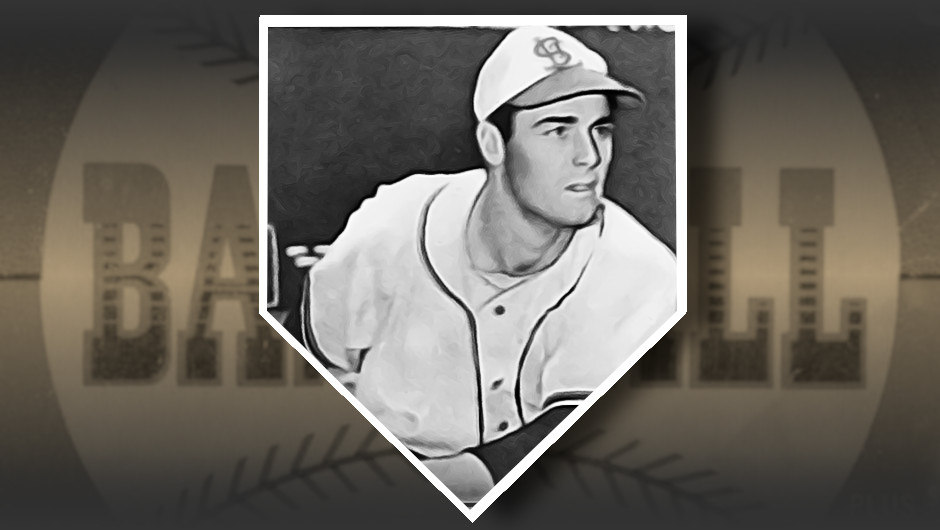
Do you know what doesn’t cost as much as a Pontiac? A ’52 Topps Frank House baseball card. Like a player making the jump from high school to the majors, mine is a little rough around the edges, but their are flashes of color that capture your attention. House’s eyes are painted a fascinating shade of blue, a feature I take great interest in as my own eyes carry this same level of brilliance. It’s my superpower.
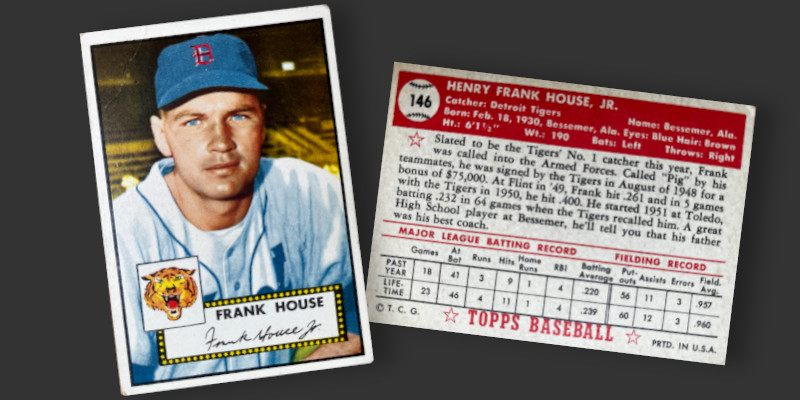
Frank’s blue Tigers cap likewise stands out for vibrant colors, featuring a similar shade of blue and set against a yellow tinted backdrop of empty grandstands. The logo on the cap looks a bit undecided on whether it will cast a vote for House to play for Detroit or Boston, but I’ll let that slide. The screaming tiger logo at the bottom of the card takes your attention from the hat anyway. Collectors talk about that logo more than almost any other detail on the card, hunting for the elusive “yellow tiger” variation, which carries no red pigment in the design. Mine is obviously the “boring,” full-bleed color variation.
The biographical text on the back tells you House was supposed to be the Opening Day starting catcher in 1952, but the US Army called him up before he could take the oath of office. He wouldn’t actually hold the job until 1954, after the card promising his arrival had been sitting in shoeboxes for two years.
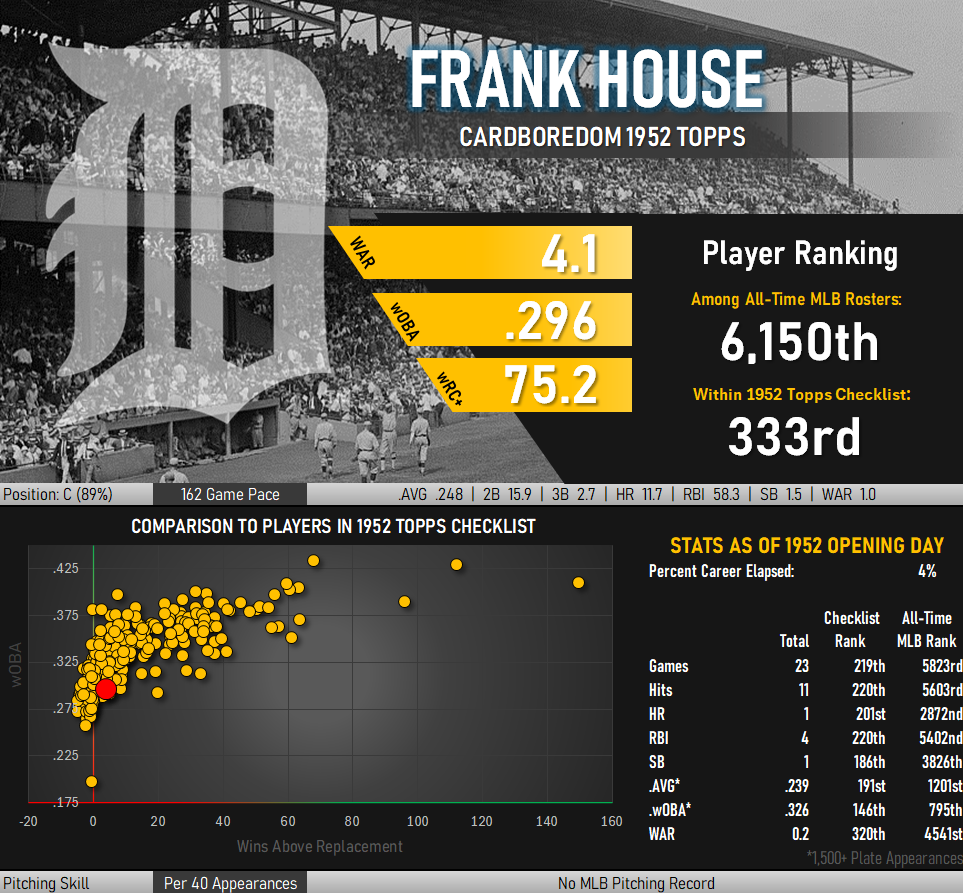
One thing became clear once Frank’s baseball cards eventually caught up enough to capture his statistics: He was not good at hitting a baseball. He represented a steady glove, strong arm, a catcher pitchers loved throwing to, but at the plate he ran a career .248 average, a .296 wOBA, a 75 wRC+. His worst session came in 1960 with the Reds, where he posted a wRC+ of 8 (eight!) across nearly two dozen games. Such was the result of a .179 batting average, 3 RBIs, and overall offensive production roughly equivalent to a washed up pitcher, Don Newcombe, finishing out his own career on that same Reds roster. The one-time most expensive rookie in the sport’s history and a fading star pitcher were indistinguishable at the plate.
After all this, after his last convertible had gone to the junkyard and the last box score had been committed to microfilm, Frank House actually ran for office. He was elected to the Alabama State Legislature, representing the district that had once treated his batting average like a mandate. Frank House ran for the highest office in bonus baby history before he was old enough to vote for president, won it by a massive margin, and then spent a decade proving that landslides and legacies are two very different things.