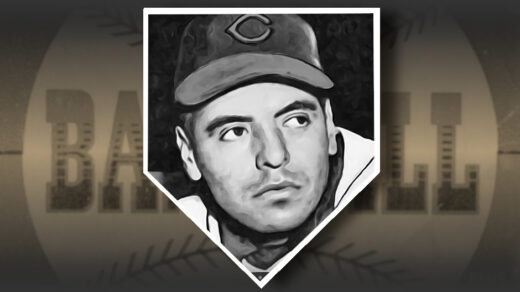
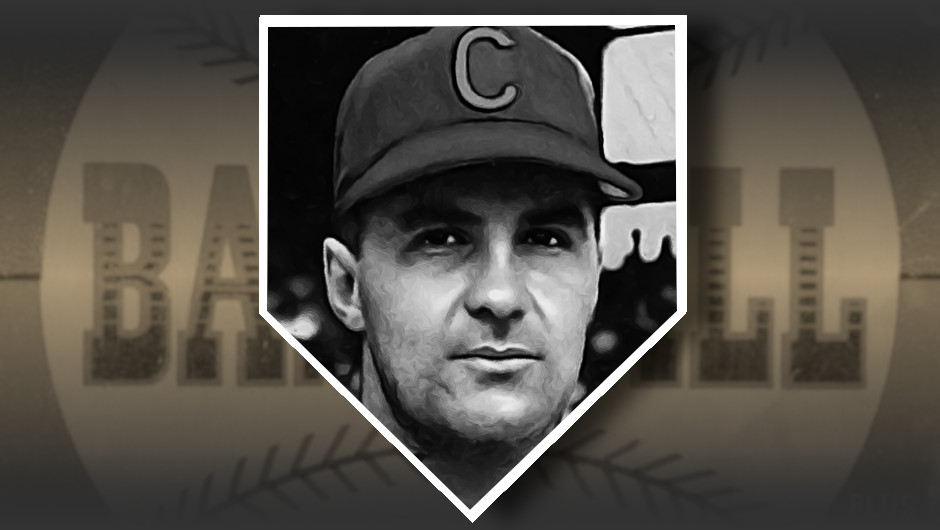
Ron Northey was always leaving before his time. Just look at the evidence: He was thrown out of games by umpires, thrown out of baseball by his left knee, and, in the legally binding language of the Commissioner’s office, voluntarily removed from the sport for an entire season. While most ballplayers get one exit, Northey stacked his up like frequent-flyer miles.
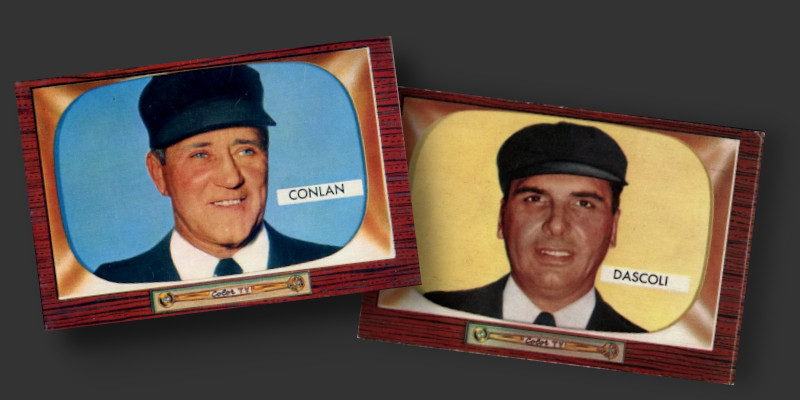
Northey was ejected three times as a player. The first came in 1944, when he argued balls and strikes with Jocko Conlan. Conlan himself had been a big league outfielder/pinch-hitter for two seasons with the 1930s White Sox before being pressed into service as a pinch-umpire after one fell ill. After more than a decade of minor league playing experience he had finally stood on both sides of a bad call and decided which side paid better.
The second ouster came in 1950 over a close play at first base. This time the man in black was Frank Dascoli. The third ejection came two months later from the same Dascoli for the crime of bench-jockeying. Northey was riding him from the dugout and Dascoli again sent him packing. Dascoli himself would eventually get the heave-ho. In 1961 National League president Warren Giles fired him because he had publicly said that Giles wasn’t supportive enough of umpires. The guy whose job was to throw people out for complaining about management was himself tossed for complaining about management. It probably didn’t help this complaint included the words “spineless” and “incompetent.”
A fourth ejection came after trading his bat for a coaching gig with the Pirates. He argued a close play at first with umpire Al Forman and was once again pointed to the exit. Some guys retire and debate baseball cards. Northey found a bag ninety feet from home and a reason to disagree about it.
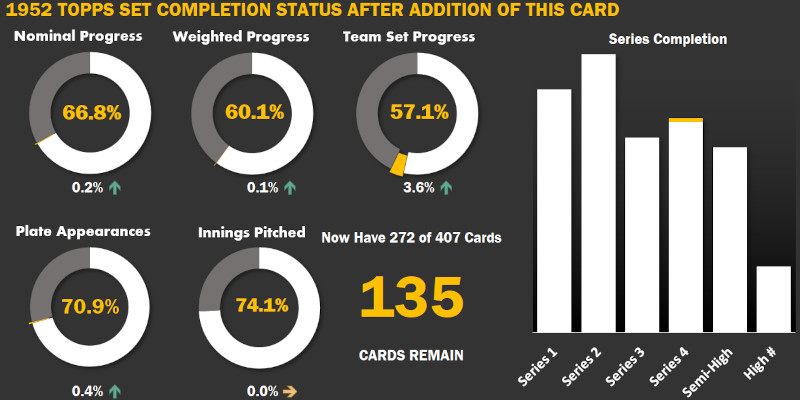
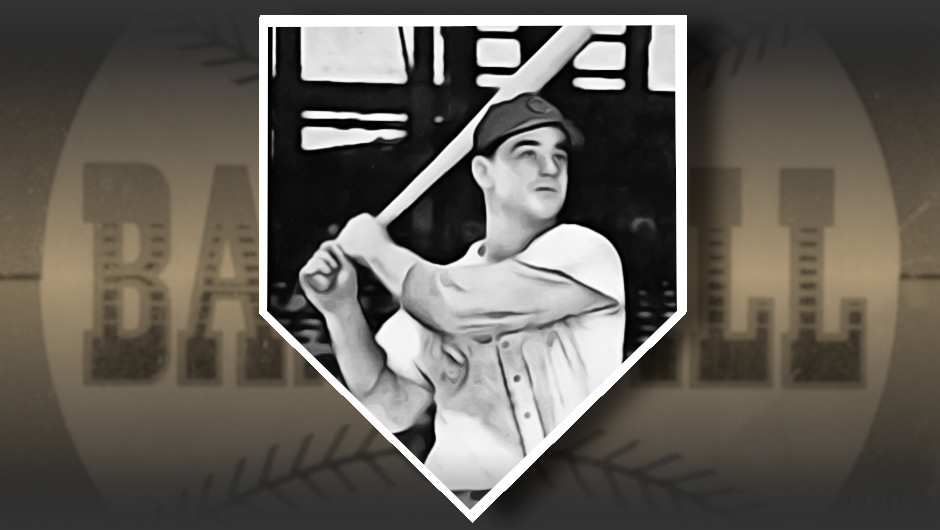
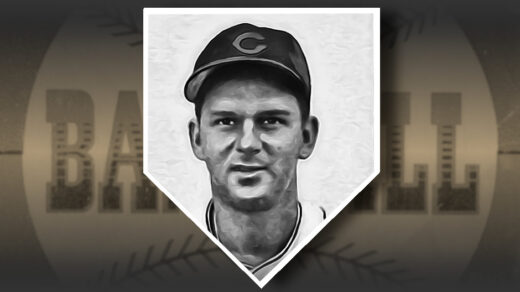
So why is this something I’m writing about on a worknight? It is because I have encountered the Ron Northey card in my look at cards comprising my in-progress attempt to build the 1952 Topps baseball card set, and this means encountering Northey’s absurd hat. The hat is a Cubs cap, but it is only a Cubs cap in the way a child’s drawing of a bear actually resembles a bear. The logo font and proportions are just wrong, making it look like the thing was added to his head in a hurry (which it was). Northey had been traded from the Reds to the Cubs during the 1950 season and only made a few dozen appearances with Chicago before the season ended. He then sat out the entire 1951 season. Topps had no photograph of him in a Cubs uniform because he had barely worn one, so the contract artist that had been assigned Northey’s number in the checklist did whatever he could do.
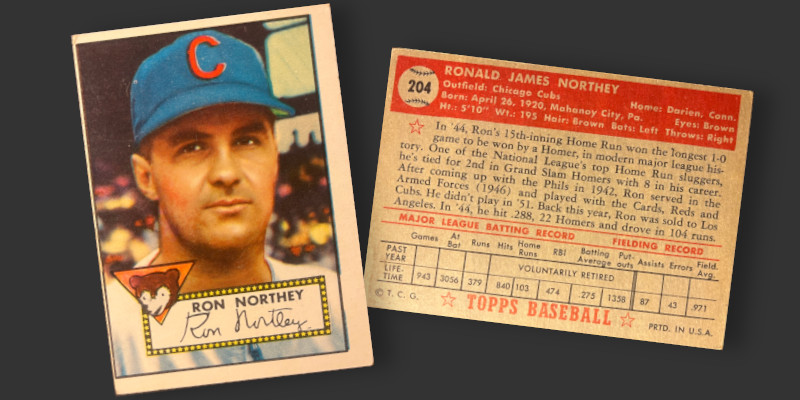
I am well over 200 cards into profiling the ’52 set, so at this point a weird hat is no longer a novelty. What I find so fascinating is his 1951 stat line on the back of the card. It simply states Northey was “voluntarily retired.”
The phrase struck me as off, like the kind of euphemism you would use to describe an office colleague being gently forced out of their role without resorting to the need to have security carry their belongings out to the curb. It sounds like Northey took a year off from Wrigleyville to try his hand at planting ivy in his own garden. It was nothing of the sort.
In the era of the reserve clause, “voluntarily retired” denoted a precise administrative status. It meant an athlete had filed a written application with the Commissioners of Baseball providing formal reasons for leaving the team. The club retained his rights while his roster spot was made available to someone else. He could not be reinstated to active status for at least 60 days after his filing, and when he returned to the sport he would not be a free agent. He would have to return to the team that owned his contract or leave the sport entirely.
Northey’s reason for going into semi-retirement was straightforward. He wrenched his knee while prepping for spring training in 1951. By early March he was going under the knife for a full cartilage replacement in his left knee and then spent the season unable to put his full weight on the leg. He stepped away from the game for a year to let it heal, filed his change of address with the appropriate front office personnel, and got a summer job as a steamfitter (which sounds like a physically demanding job).
During his time away, Northey did something interesting. In the months prior to his return, the somewhat hefty outfielder stripped his diet down to exactly 970 calories per day. His playing weight had been close to 230 lbs. for much of his career, a number that friendly sportswriters described as a “fireplug” physique while less generous, opposing sportswriters described him as a “roly-poly.” Everyone agreed the extreme diet necessitated new adjectives when he returned at an almost lithe 202 lbs., a number that Topps optimistically reported as 195 lbs. on the back of his baseball card.
Northey’s rejoining the Cubs’ roster was more of a legal formality than a triumphant return. He officially ended his retirement by pinch hitting for pitcher Joe Hatten in an April 20, 1952 game and promptly hit a grounder back to the mound. That formed the entirety of his comeback, as the Cubs immediately sold his contract to the Los Angeles Angels of the Pacific Coast League. Northey spent the rest of 1952 on a roster that would include Chuck Connors, who would later appear in a few seasons of the television series The Rifleman. Northey bounced around the minors for a few years before returning for brief stints with the White Sox and Phillies in 1955-1957.
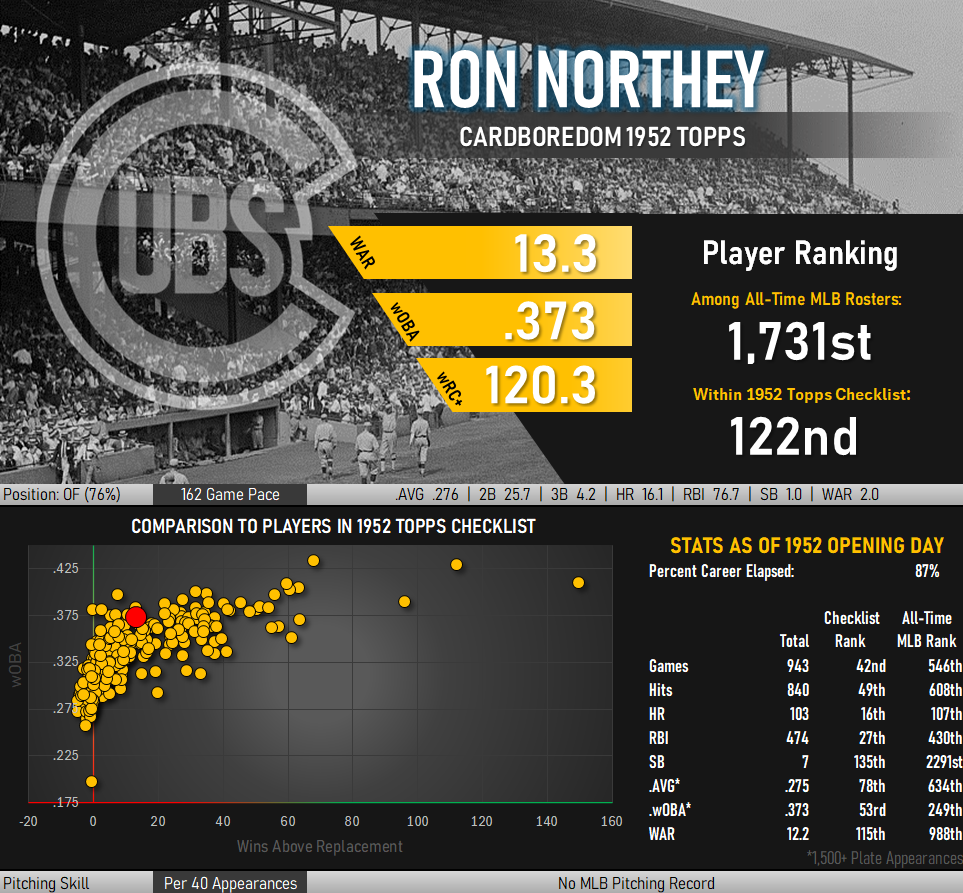
Based on this, one would think there wasn’t much to Northey’s career. However, he hit a respectable .276 and had real power. His extra base hits were generated from strength rather than footspeed, and I suspect he may have been the slowest man to ever rack up 28 career triples. In aggregate, Northey ranks within the top third of players in the ’52 Topps checklist, a showing that puts him ahead of a lot of better-known faces. That’s a solid showing for a guy with a balky knee and low profile feud with an umpire.
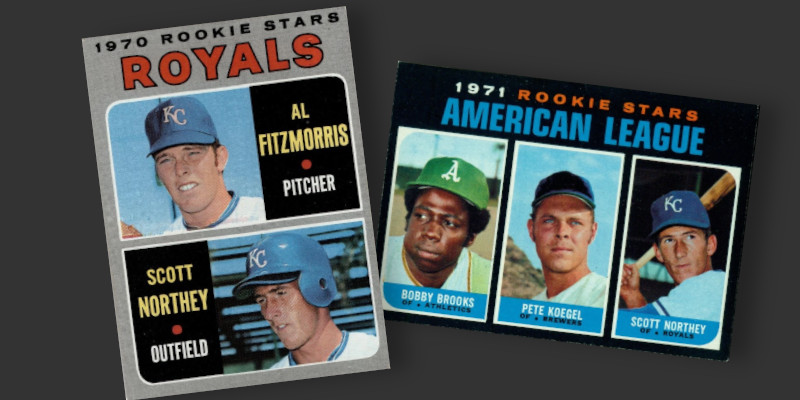
Speaking of leaving early, Northey had a son who also played baseball in the majors. Scott Northey made into the lineup for the final month of the expansion 1969 Kansas City Royals. While he spent the rest of his career in the minors, Scott appeared on multiplayer rookie cards in both the 1970 and 1971 Topps sets.